
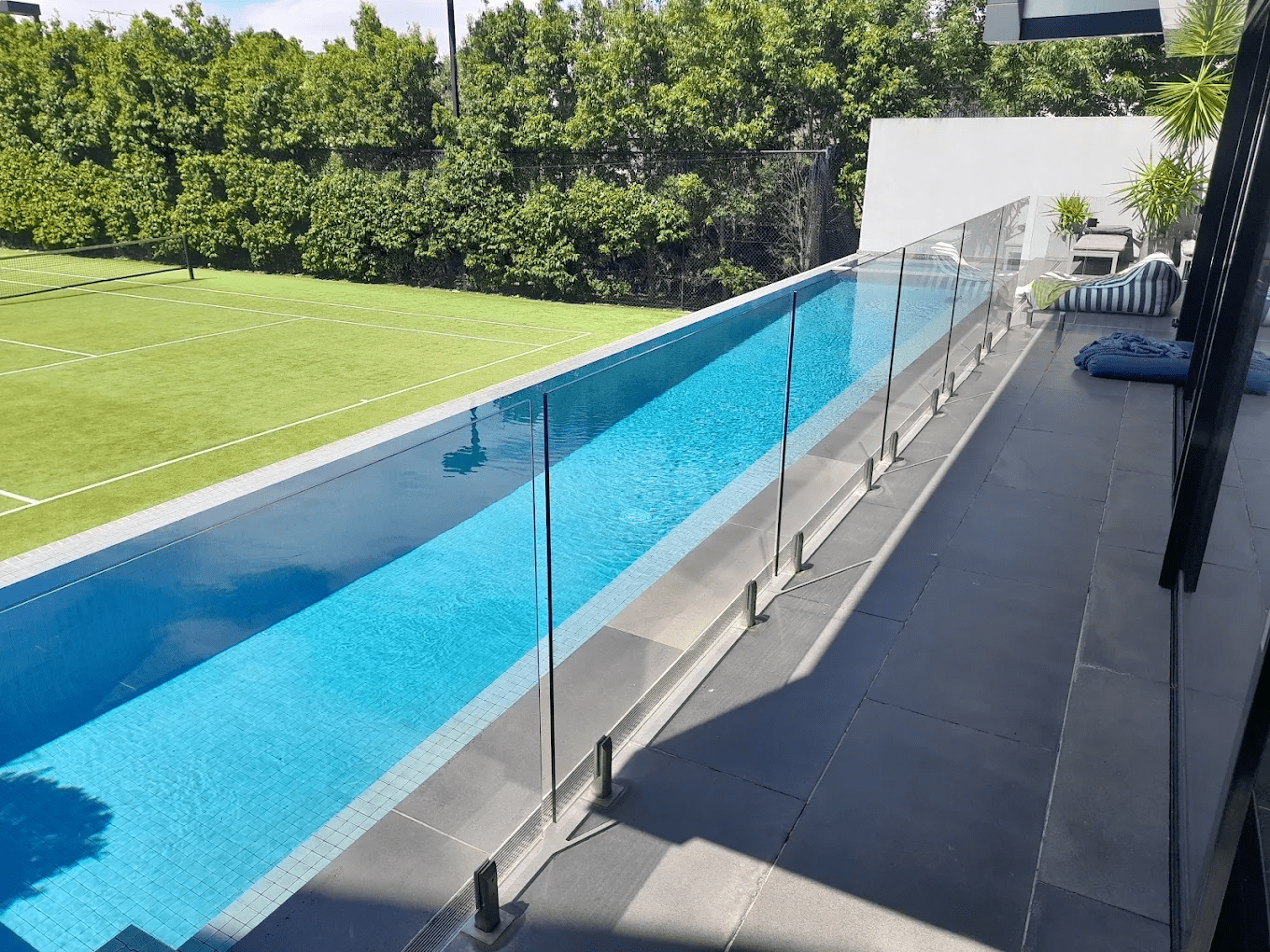
Many Melbourne homeowners think of pool fence compliance as something you do once. You book an inspection, get a certificate, and then forget about it. Unfortunately, this mindset is one of the main reasons people are caught off guard by failed re-inspections, council notices, or unexpected compliance issues years later.
Under Victorian law, pool fence compliance is an ongoing responsibility, not a one-off task. A fence that was compliant in the past can become non-compliant over time, even if nothing obvious has changed.
Here’s why compliance does not stop once the certificate is issued.
Pool Fences Change Over Time, Even When You Don’t Notice
Unlike many parts of a home, pool fences are constantly exposed to weather, ground movement, and daily use. Over time, small changes occur that slowly affect compliance.
Tom is an experienced Pool Inspector from Balwyn Pool Fence Inspections who regularly sees fences that once passed inspection develop issues such as:
- Gates that no longer self close properly
- Hinges losing tension from repeated use
- Latches wearing down or shifting slightly
- Fence posts moving due to soil expansion and contraction
- Small gaps widening under panels
These changes often happen gradually, which is why homeowners may not realise anything is wrong until an inspection is required.
Certificates Do Not Freeze Your Fence in Time
A pool fence compliance certificate confirms that your fence met the required standard on the day it was inspected. It does not guarantee ongoing compliance indefinitely.
Many homeowners assume that if their fence was approved previously, it must still be compliant today. In reality, compliance is conditional on the fence continuing to meet all requirements at all times.
This is why councils can still issue notices or require new inspections even when a certificate exists from years ago.
Why Compliance Is Treated as Ongoing in Victoria
Pool safety laws are designed to prevent unsupervised access to water at any time, not just at the moment of inspection. Because conditions change, the law places responsibility on homeowners to maintain their barriers continuously.
Unlike a building permit or a completed renovation, pool safety is considered a live risk. That is why:
- Councils can audit properties at any time
- Inspections may be required after time has passed
- Certificates expire or need renewal every four years
- Minor deterioration can trigger non-compliance
This approach reduces reliance on assumptions and focuses on real world safety.
The Risk of a “Set and Forget” Approach
Treating compliance as a one-off event often leads to rushed repairs and unnecessary stress when an inspection suddenly becomes necessary.
Common situations where this happens include:
- Preparing to sell or lease a property
- Receiving a council notice unexpectedly
- Discovering an expired or missing certificate
- Buying a home and realising compliance is unclear
At this point, small issues that could have been addressed gradually often need urgent attention.
How Tom Helps Homeowners Stay Compliant Long Term
Tom from Balwyn Pool Fence Inspections encourages a proactive approach rather than reactive fixes. With over 5 years of experience inspecting pools across Balwyn and surrounding Melbourne suburbs, he helps homeowners understand what ongoing compliance actually looks like.
His inspections focus on:
- Identifying early signs of wear before they become failures
- Explaining what to monitor between inspections
- Providing clear, practical advice without unnecessary upselling
This approach helps homeowners avoid surprises and maintain compliance with confidence.
Final Thoughts
Pool fence compliance is not something you tick off once and forget. It is an ongoing obligation that reflects how fences age, move, and wear over time.If your fence has not been checked in years, or if you are relying on an old certificate for peace of mind, it may be time for a professional review. Contact your local Pool Inspector Tom at Balwyn Pool Fence Inspections for a thorough assessment and clear advice on keeping your pool area safe and compliant long term.