
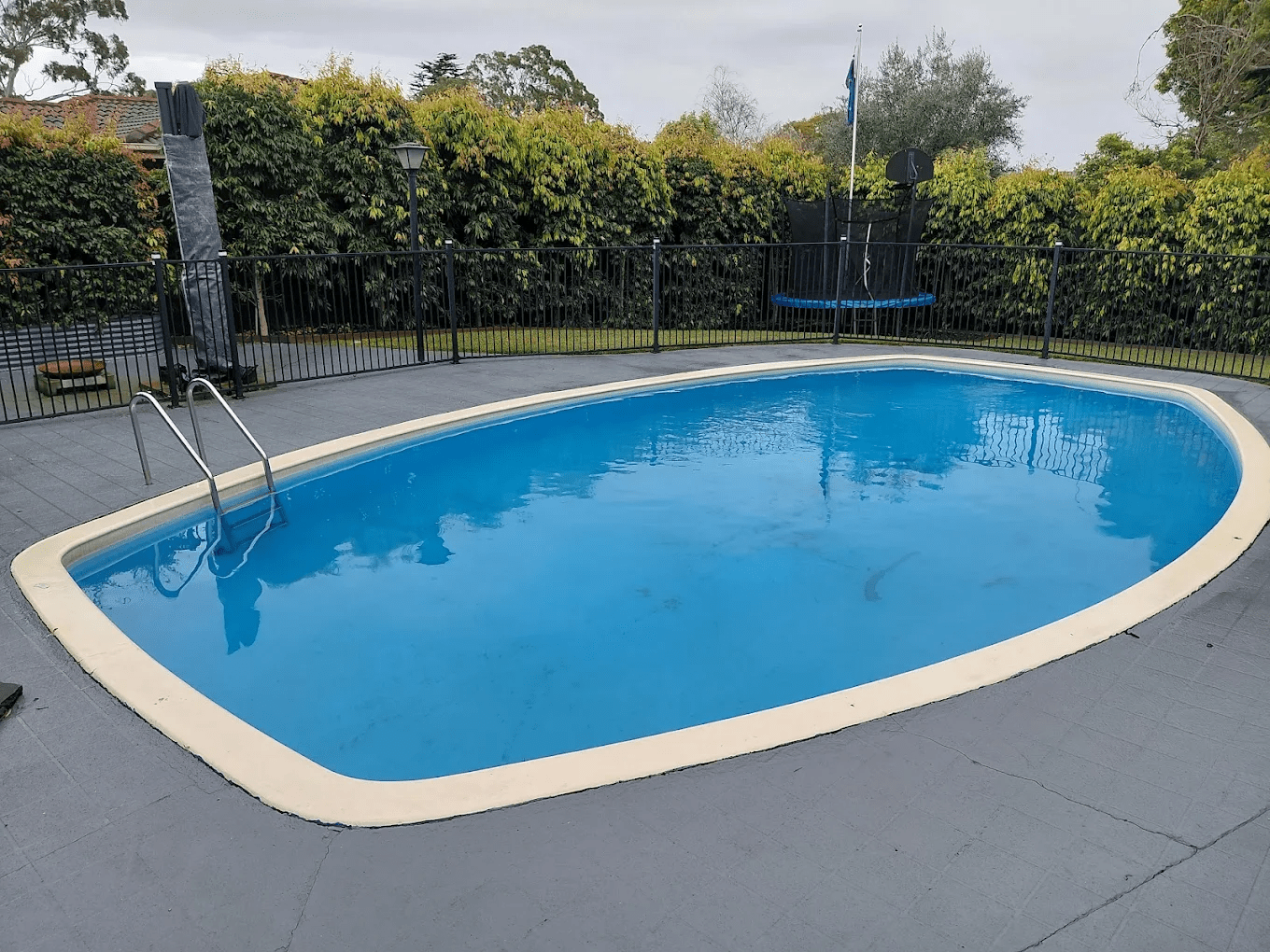
If you are permanently removing a swimming pool or spa from your Melbourne property, you may assume the pool fence can simply come down at the same time. In Victoria, it is not always that straightforward.
Pool and spa owners have ongoing registration and barrier responsibilities while the pool or spa remains in place and capable of holding more than 300mm of water. Permanently removing or decommissioning the pool can eventually bring those obligations to an end, but the removal needs to be properly completed and recognised by your local council.
For homeowners in Balwyn and surrounding Melbourne suburbs, here is what to consider before removing the fence or assuming your compliance obligations have finished.
Draining the Pool Is Not the Same as Removing It
One of the most important distinctions is between an unused or empty pool and a pool that has actually been permanently removed or decommissioned.
Simply draining the water does not automatically remove your responsibilities. Victorian requirements apply to swimming pools and spas capable of containing water deeper than 300mm, and owners are responsible for maintaining an effective safety barrier while those requirements apply.
This means an old swimming pool sitting empty in the backyard should not automatically be treated as if it no longer exists.
Permanent removal is a different process.
You May Need Approval Before Removing the Pool
Pool removal can involve more than arranging an excavator and filling the hole.
Requirements can vary depending on the property, pool construction and local council. For example, the City of Boroondara advises that some swimming pools and spas require a Building Permit for removal and recommends checking with its Building Services team before proceeding.
Other Victorian councils similarly require permits for certain pool removal or decommissioning works because excavation, backfilling and structural changes can affect surrounding land and buildings.
If you live around Balwyn, Kew, Camberwell, Canterbury or elsewhere within Boroondara, checking the requirements before work begins can prevent problems later.
Do Not Remove the Safety Barrier Too Early
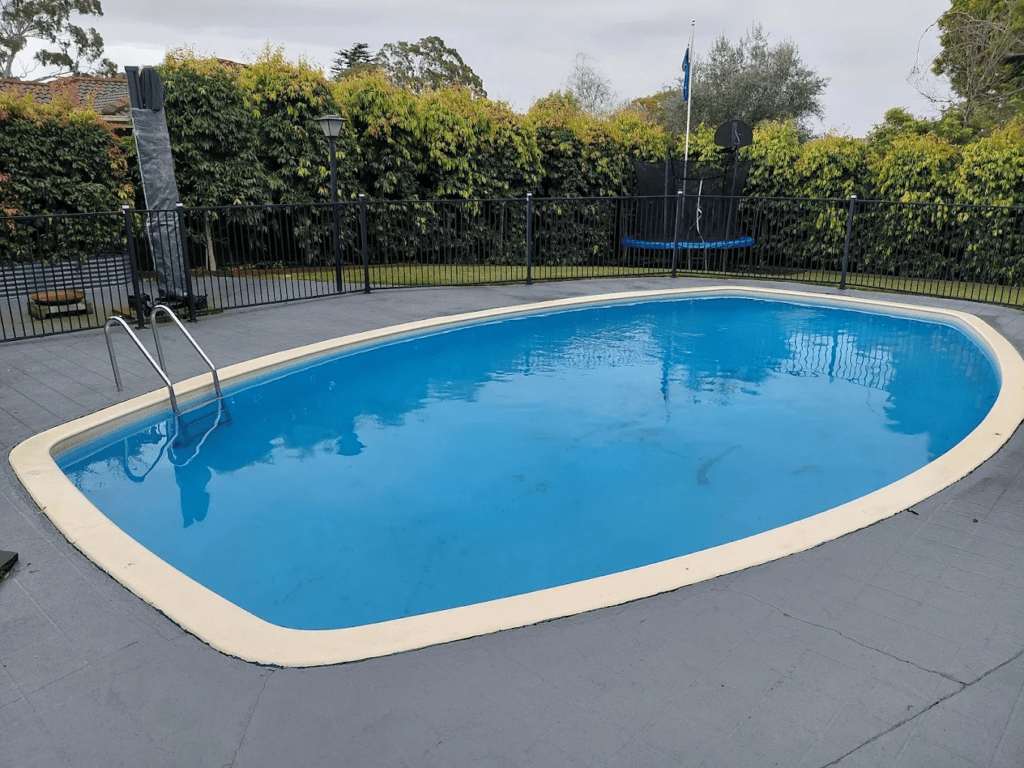
Even if the pool is scheduled for demolition, the barrier still serves an important safety purpose while the pool remains accessible.
Taking down the fence before the pool has been properly removed could leave an excavation, partially drained pool or water hazard accessible.
The safer approach is to confirm the removal process with the relevant council or building professional before changing the existing safety barrier.
Remember that altering an existing pool or spa safety barrier can itself require a Building Permit. City of Boroondara specifically notes that a Building Permit is required when altering an existing pool or spa safety barrier.
What Does Proper Pool Removal Usually Involve?
The exact process depends on the type of pool and the requirements of your council and building surveyor.
For an inground pool, proper decommissioning can involve demolition or removal work followed by appropriate backfilling and compaction. For example, Kingston City Council states that inground pool or spa removal may require a demolition or removal permit and that the site must be appropriately backfilled and compacted.
This is very different from simply filling an existing pool with soil without obtaining advice.
A building surveyor or your local council can confirm what is required for your particular property.
What Happens to Council Registration?
Victorian owners must register applicable pools and spas with their local council and lodge ongoing barrier compliance certificates.
Once a pool or spa has been permanently removed, you should contact your council and confirm what evidence or inspection they require to update their records.
Do not assume that removing the pool automatically removes it from the council register.
Boroondara specifically provides for pool and spa removal and advises owners to contact Building Services to establish whether a permit is required.
Making sure council records are updated is important because otherwise you may continue receiving reminders about barrier inspections and compliance certificates for a pool that no longer exists.
What If You Are Only Considering Removing the Pool?
This is where speaking to the right professionals before starting can save considerable confusion.
If you are deciding between repairing an older pool barrier and removing the pool altogether, first establish exactly what is required for each option.
Tom from Balwyn Pool Fence Inspections can assess the existing barrier and explain the compliance issues currently affecting it. If you ultimately decide to keep the pool, you will know what needs to be rectified.
If you choose permanent removal instead, you can then speak with your council and building professionals about the appropriate removal process rather than spending money modifying a barrier unnecessarily.
Do You Still Need an Inspection While Removal Is Being Planned?
This will depend on your current circumstances and the timing of the removal.
If the pool remains registered, your compliance certificate is due, and permanent removal has not yet been completed, you should not simply ignore your council obligations because you intend to remove the pool later.
Victorian pool and spa owners are required to maintain their safety barriers and arrange compliance inspections every four years while the relevant pool or spa remains subject to the requirements.
If you have received correspondence from the council while planning removal, check with the council about what they require and the timeframe involved.
Tom Can Help You Understand Your Existing Barrier
Tom from Balwyn Pool Fence Inspections works with homeowners throughout Balwyn and surrounding Melbourne suburbs who are dealing with older pools, changing backyard plans and compliance questions.
If you have not decided whether to keep or remove the pool, an inspection can give you a much clearer picture of the condition of your existing barrier and what would be involved in bringing it up to standard.
Tom can identify the current compliance issues, explain them clearly and help you make a more informed decision about the next step.
Final Thoughts
Permanently removing a swimming pool or spa can eventually remove the need for ongoing pool barrier compliance, but simply draining or abandoning the pool is not the same thing.
Before taking down your pool fence, check whether permits are required, make sure the pool is properly removed or decommissioned and confirm with your local council that its records have been updated. In Boroondara, some pool and spa removals require a Building Permit, so homeowners should check before work begins.
If you are still deciding whether to repair your existing barrier or remove the pool altogether, Tom from Balwyn Pool Fence Inspections can assess your current setup and give you straightforward advice on where you stand.