
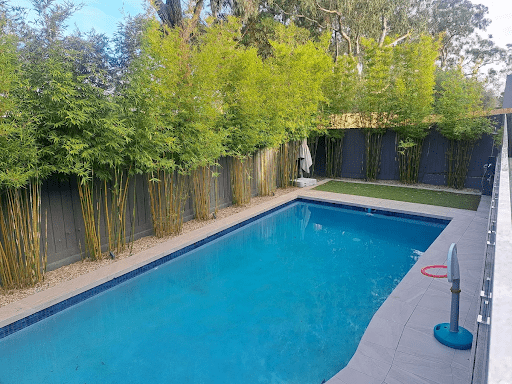
Many Melbourne homeowners find pool fence regulations frustrating, especially when they compare them to other features around the home. Decks, balconies, stairs and retaining walls can all present safety risks, yet none of them are regulated or enforced quite like pool fencing.
So why are pools treated so differently?
Understanding the reasoning behind Victoria’s pool safety laws helps explain why compliance is taken so seriously, why councils enforce it so strictly, and why professional inspections are not just a formality.
Pools Are Considered a High Risk Environment
Unlike most other home features, pools present a unique and constant risk, particularly for young children under five years old. Water hazards do not require complex conditions to become dangerous. A moment of unsupervised access can lead to serious injury or worse.
Victorian pool safety laws were designed with one primary goal in mind: preventing unsupervised access to water. This is why fencing, gates and barriers are regulated far more tightly than many other parts of a home.
Even if a pool appears safe to an adult, the regulations are written from a child’s perspective, focusing on how easily access could occur if barriers fail.
Why “Common Sense” Does Not Apply in Pool Safety Law
One of the most common frustrations Tom hears during inspections in Balwyn and surrounding suburbs is, “But that’s just common sense” or “We would never let a child near the pool alone”.
The issue is that pool safety laws are not based on intent or supervision. They are based on physical prevention.
Councils and regulators do not assess how careful a homeowner is. They assess whether a child could physically access the pool if the barrier were tested. This is why self closing gates, latch heights, fence gaps and non-climbable zones are measured so precisely.
If compliance relied on judgement or behaviour, enforcement would be inconsistent and ineffective. Clear, strict rules remove interpretation and reduce risk.
Why Pool Fences Are Enforced More Aggressively Than Other Features
Pool fencing is one of the few areas of home safety where councils actively audit, inspect and issue penalties.
This is because:
- Pool related incidents are statistically severe and often fatal
- Compliance failures are preventable with proper barriers
- Enforcement has been proven to reduce incidents over time
- Pool safety laws are supported by clear state legislation and Australian Standards.
Unlike stairs or decks, which are regulated mainly at the building stage, pool fences must remain compliant throughout the life of the pool. This ongoing responsibility is what catches many homeowners off guard.
Why Past Approval Does Not Guarantee Ongoing Compliance
Another key difference between pool fencing and other home features is that compliance is not permanent.
A pool fence that passed inspection years ago may no longer meet current requirements due to:
- Changes in legislation
- Wear and tear
- Ground movement
- Hardware degradation
- Subtle shifts that affect measurements
This ongoing assessment requirement is unique and is one of the reasons professional inspections remain essential, even when nothing appears to have changed.
How Tom Helps Homeowners Navigate These Differences
Tom from Balwyn Pool Fence Inspections understands that homeowners can feel overwhelmed or frustrated by pool safety rules, especially when they compare them to other parts of their property.
With over 5 years of experience, Tom focuses on education as much as inspection. He explains not just what needs to be fixed, but why the rule exists and how it applies to your specific pool setup.
His inspections provide:
- Clear explanations without jargon
- Practical guidance tailored to Melbourne homes
- A thorough assessment aligned with current Australian Standards
This approach helps homeowners move from confusion to confidence, without unnecessary stress or guesswork.
Final Thoughts
Pool fencing is regulated differently because pools are different. The risks are higher, the consequences are more severe, and the law reflects that reality.
Understanding why compliance is treated so strictly helps remove frustration and highlights the importance of keeping barriers in proper working order at all times.If you want clarity around your obligations or reassurance that your pool fence still meets current Victorian requirements, contact Tom at Balwyn Pool Fence Inspections. His experience as a Pool Inspector and straightforward approach make the compliance process clear, practical and manageable.